
Why Dual Fuel Heat Pumps Are Gaining Popularity in the Pacific Northwest
The best dual fuel heat pump systems combine an electric heat pump with a gas furnace to deliver year-round comfort and efficiency. These hybrid systems automatically switch between electricity and natural gas based on outdoor temperatures, using the heat pump for mild weather and the furnace for extreme cold. This smart approach maximizes energy efficiency while ensuring your home stays comfortable in all conditions.
Top Features to Look for in the Best Dual Fuel Heat Pump:
- High SEER2 and HSPF2 ratings (16+ SEER2, 9.5+ HSPF2 for cold climates)
- Variable-speed or two-stage operation for precise temperature control
- 95%+ AFUE furnace for efficient backup heating
- Smart thermostat integration with automatic switchover
- ENERGY STAR certification for potential tax credits and rebates
For homeowners in Puyallup and the surrounding areas, a dual fuel system is an ideal solution. The Pacific Northwest’s climate—with mild, damp winters punctuated by occasional freezing snaps—is perfect for this hybrid approach. You get the efficiency of a heat pump most of the year, with the reliable warmth of a gas furnace when temperatures plummet.
Learn more about our high-efficiency Heat Pump solutions or schedule a consultation to find the right system for your home.
I’m Michael Smith, owner of WestCoast Heating & Air. I’ve spent years helping local families find the best dual fuel heat pump solutions for their unique needs. With extensive technical experience and a deep understanding of our local climate, I know how critical it is to match the right system to our region’s specific challenges.

Best dual fuel heat pump terms at a glance:
How a Dual Fuel System Works: The Smart Choice for Heating and Cooling
At WestCoast Heating & Air, we often describe a dual fuel system as the “best of both worlds” for heating and cooling. It’s an advanced HVAC setup that intelligently combines an electric heat pump and a Gas Furnace. This synergy ensures your home in Puyallup, Tacoma, or any of our service areas, stays perfectly comfortable and energy-efficient, no matter the weather.
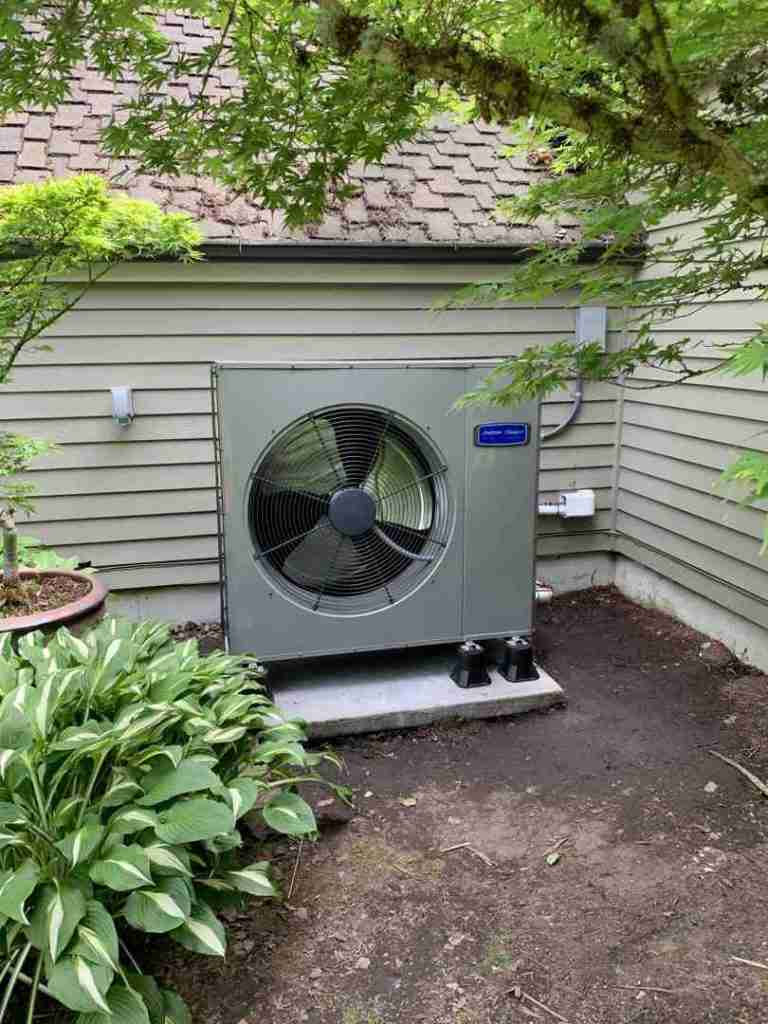
The system’s main components work in harmony. The outdoor unit is the heat pump, responsible for both heating and cooling. Inside, the Gas Furnace serves as the powerful backup heat source. These are connected by an indoor coil and a smart thermostat, which acts as the brain of the operation, constantly monitoring outdoor temperatures to decide which heating source to use.
The “Switchover Point”: Where Smart Meets Efficient
The magic of a dual fuel system lies in its “switchover point.” This is a pre-set outdoor temperature, typically between 30°F and 40°F, based on your system’s design and our local climate.
When temperatures are mild (above the switchover point): The electric heat pump takes the lead. Heat pumps are incredibly efficient because they move heat rather than generating it. In heating mode, the heat pump extracts ambient heat from the outside air and transfers it indoors. This process is highly energy-efficient, with the heat pump handling heating duties 70% to 90% of the time in a typical winter.
When temperatures plummet (below the switchover point): As the air gets colder, the heat pump becomes less efficient. The smart thermostat then initiates a seamless transition, switching off the heat pump and activating the Gas Furnace. Furnaces generate robust warmth by burning natural gas, making them exceptionally effective in sub-freezing conditions. This ensures your home remains cozy without the heat pump struggling or relying on less efficient backup heating methods.
This temperature-based logic ensures the most efficient heating source is always used for the current conditions.
Summer Cooling: Reversing the Cycle for High-Efficiency Air Conditioning
Dual fuel systems are also champions of cooling. In warmer months, the heat pump reverses its operation. It pulls heat and humidity from inside your home and expels it outdoors, functioning as a highly efficient Air Conditioning unit.
Key Benefits of a Dual Fuel System
Choosing a dual fuel system offers many advantages for homeowners in areas like University Place, Spanaway, and Orting:
- Energy Efficiency: By prioritizing the heat pump for most of the heating season, you reduce reliance on fossil fuels, leading to lower energy consumption.
- Lower Emissions: Reduced fossil fuel use translates to a smaller carbon footprint. Research has shown that dual fuel systems with smart controls can significantly reduce emissions.
- Improved Comfort: The seamless transition between heat sources ensures consistent warmth and steady indoor temperatures, even on the coldest days.
- System Longevity: Because the workload is shared, neither component is constantly running at maximum capacity. This reduced wear can extend the overall lifespan of your HVAC system. A well-maintained hybrid system can outlast standalone furnaces or heat pumps.
Advantages of Upgrading to a High Efficiency Heat Pump
What to Look for in the Best Dual Fuel Heat Pump Systems
When we help our customers in Tacoma, Sumner, and Roy choose a dual fuel system, we’re designing a custom comfort solution. To identify the best dual fuel heat pump, we analyze the system’s performance tiers, efficiency ratings, and the critical aspect of proper sizing.
Performance Tiers: Tailoring Comfort to Your Needs
Not all heat pumps and furnaces are created equal. They come in different performance tiers, each offering different levels of comfort and efficiency.
- Single-stage systems: These are the most basic, operating at 100% capacity whenever they’re on. Think of it like a light switch—it’s either fully on or fully off. This can lead to slight temperature swings.
- Two-stage systems: These offer a step up, with two operating levels (e.g., a lower capacity for milder days and 100% for colder days). This allows for more precise temperature control and better energy efficiency, as they can run for longer periods at a lower, energy-saving capacity.
- Variable-Speed Inverter Technology: This is the pinnacle of performance and efficiency. Systems with variable-speed inverter technology can precisely modulate their output across a wide range, from as low as 25% up to 100% or more.
The benefits of modulation are significant:
- Precise Temperature Control: By running continuously at lower capacities, these systems maintain indoor temperatures within a degree or two of your setting, eliminating uncomfortable hot and cold spots.
- Quiet Operation: Since they rarely need to ramp up to full power, these systems operate much more quietly than their single or two-stage counterparts. Some models boast sound levels as low as 56 dBA.
- Improved Humidity Control: Longer, slower run times allow the system to remove more moisture from the air, improving indoor comfort, especially during humid summers.
- Communicating Systems: Many high-end dual fuel systems are also “communicating systems.” This means the heat pump, furnace, and thermostat talk to each other to optimize performance, efficiency, and even provide smart diagnostics that can alert us to potential issues.
Choosing a system with advanced modulation and communicating capabilities can lift your home comfort to a new level.
The Best High Efficiency Heating Options for Your Home
Essential Efficiency Ratings for the Best Dual Fuel Heat Pump
When discussing the best dual fuel heat pump options, we always emphasize understanding efficiency ratings. These numbers are crucial indicators of your system’s energy consumption and overall performance.
- SEER2 (Seasonal Energy Efficiency Ratio 2): This measures the cooling efficiency of your heat pump. The higher the SEER2, the more efficiently it cools. For our climate, we recommend systems with SEER2 ratings of 16 or higher.
- HSPF2 (Heating Seasonal Performance Factor 2): This measures the heating efficiency of your heat pump. A higher HSPF2 means more efficient heating. For cold climates like ours, we recommend a minimum of 9.5 HSPF2.
- AFUE (Annual Fuel Utilization Efficiency): This applies to the gas furnace and indicates how efficiently it converts fuel into heat. An AFUE of 95% means 95% of the fuel is converted into usable heat for your home. For the furnace in a dual fuel system, we strongly recommend a high-efficiency model with an AFUE of 95% or greater.
When you see a product labeled ENERGY STAR® certified, it means it meets strict energy efficiency guidelines set by the U.S. Environmental Protection Agency. These products are often among the most efficient available and can qualify you for potential federal tax credits and local utility rebates. We encourage our customers to visit the energystar.gov site to learn more about current U.S. tax credit opportunities and inquire about local utility rebates available in our service areas like Steilacoom, Tumwater, and SeaTac.
Sizing and Configuration: A Custom Approach to the Best Dual Fuel Heat Pump
Proper sizing and configuration are among the most critical steps. This isn’t a one-size-fits-all situation; every home is unique.
We perform a Manual J load calculation, a comprehensive assessment that considers your home’s square footage, insulation, windows, ceiling heights, local climate, and more. This determines the precise heating and cooling capacity your home requires.
The dangers of an oversized system are often underestimated. An oversized unit will cycle on and off too frequently (“short-cycling”), which leads to:
- Reduced Efficiency: The system uses more energy starting and stopping than it would running steadily.
- Poor Dehumidification: Short run times prevent the system from effectively removing humidity, leaving your home feeling clammy.
- Increased Wear and Tear: Frequent cycling puts unnecessary stress on components, shortening the system’s lifespan.
- Uneven Temperatures: The system never reaches a steady state, preventing consistent comfort.
As we often explain, an oversized air conditioner is problematic for the same reasons. Why Is an Oversized Air Conditioner Problematic?
If you have a gas furnace in good condition, you might be able to use it with a new heat pump. This is a common approach, but it requires a professional assessment. We’ll check your furnace’s age and condition, evaluate its compatibility with modern heat pumps, and inspect your ductwork to ensure it can handle the airflow requirements of a new, more efficient system.
Is a Dual Fuel System the Right Upgrade for Your Home?
Choosing a new HVAC system is a big decision, and we want to ensure you make the right one for your home in the Pacific Northwest. While dual fuel systems offer incredible benefits, they are particularly well-suited for certain climates and homeowner needs.
Best Climates: Perfect for Our Pacific Northwest Weather
The best dual fuel heat pump systems truly shine in regions that experience all four seasons, with mild to moderate winters and distinct cold snaps. This perfectly describes our climate in Puyallup, Tacoma, and surrounding areas. We often have crisp fall days and mild winter weeks where a heat pump can efficiently keep your home warm. Then, when the temperatures really drop, the reliable gas furnace kicks in, ensuring consistent comfort.
Dual fuel heat pumps are most effective in regions with moderate to cold climates, including parts of our own beautiful state. In these areas, the heat pump can handle the majority of the heating load, often 70-90% of the time, by efficiently moving heat. The furnace then provides powerful heating during colder periods when the heat pump’s efficiency would otherwise decline. It’s an intelligent way to adapt to fluctuating temperatures.
When It’s the Right Choice for You
A dual fuel system is an excellent upgrade for homeowners who are:
- Replacing Old HVAC: If your existing furnace or AC unit is aging and inefficient, a dual fuel system offers a significant leap in technology and performance. Signs It’s Time to Upgrade Your HVAC System can help you determine if it’s time for a change.
- Seeking Year-Round Comfort: The system ensures consistent temperatures for both heating and cooling, providing optimal comfort regardless of outdoor conditions.
- Aiming for High Efficiency: By leveraging the heat pump’s efficiency for most of the year, you can significantly improve your home’s overall energy performance.
- Environmentally Conscious: Reducing reliance on fossil fuels for heating helps lower your home’s carbon footprint.
- Wanting Cooling Where They Didn’t Have It: If you only have a furnace, adding a dual fuel system gives you efficient air conditioning for warmer summer days.
Comparison to Other Systems
It’s helpful to understand how a dual fuel system stacks up against other common HVAC options:
- Traditional AC and Furnace: While a standard AC and gas furnace system provides comfort, it lacks the hybrid efficiency of a dual fuel setup. The furnace is always burning fuel for heat, and the AC is a separate cooling-only unit.
- All-Electric Heat Pumps (without fossil fuel backup): These systems are highly efficient but can become less effective in very cold temperatures. When outdoor temperatures drop significantly, they often rely on electric resistance heating strips as a backup, which are generally less efficient for primary heating. A dual fuel system avoids this by switching to the powerful and reliable gas furnace for extreme cold.
Signs Your Home is a Good Candidate for a Dual Fuel System
Here are some clear indicators that a dual fuel system might be the perfect fit for your home:
- You live in a region with significant temperature swings and distinct seasons, like our beautiful Puget Sound area.
- You have an aging furnace (over 15 years old) that’s due for replacement, or you’re experiencing rising energy bills.
- You want to add efficient cooling to your home but currently only have a furnace.
- You have access to both natural gas (or propane/oil) and electricity.
- Your home’s ductwork is in good condition or you’re willing to make necessary upgrades.
- You prioritize long-term energy efficiency and a lower environmental impact.
- You desire consistent, comfortable indoor temperatures without drastic fluctuations.
If these points resonate with you, we encourage you to explore the possibilities of a dual fuel system further!
Professional Installation and Maintenance: Maximizing Your Investment
Even the best dual fuel heat pump system won’t perform optimally without professional installation and diligent maintenance. At WestCoast Heating & Air, we pride ourselves on providing both, ensuring your system delivers maximum comfort and efficiency for years to come.
The Installation Process: Precision and Expertise
Installing a dual fuel system is a complex job that requires specialized knowledge. It involves seamlessly integrating two units, ensuring they communicate correctly, and optimizing their performance for your specific home and climate.
When you choose us, you can expect a customized system design. Our team will conduct a thorough assessment, including the crucial Manual J load calculation, to ensure your system is perfectly sized. We handle every detail, from routing refrigerant lines and making electrical connections to setting up condensate drainage and wiring your smart thermostat. We’ll also properly decommission your old system, adhering to all EPA rules for refrigerant recovery.
We understand that an HVAC replacement can feel daunting. That’s why we guide you through What to Expect During an HVAC Replacement, keeping you informed. Our qualified technicians, backed by over 20 years of local experience, ensure all work meets the highest standards and complies with local codes in our service areas like Puyallup, Tacoma, and Orting. We handle all necessary permits and schedule mandatory inspections, so you don’t have to worry.
Regular Maintenance Needs: Keeping Your System in Top Shape
A dual fuel system is a sophisticated piece of equipment that benefits from regular care. Consistent maintenance is key to maximizing its lifespan, maintaining efficiency, and preventing unexpected breakdowns.
- Filter Changes: This is a simple but vital task. We recommend changing your air filters every 1 to 3 months, or more frequently if you have pets or allergies. A clean filter ensures good airflow and protects your system from dust and debris.
- Annual Tune-Ups: Your dual fuel system benefits from professional annual tune-ups. During these visits, our technicians will:
- Inspect all components for wear and tear.
- Clean the indoor and outdoor coils.
- Check refrigerant levels and pressures.
- Lubricate moving parts.
- Test electrical connections and controls.
- Verify the thermostat’s accuracy and “switchover point” settings.
- Ensure your furnace is operating safely and efficiently.
This comprehensive maintenance helps us catch small issues before they become major problems and keeps your system running at peak efficiency. Learn more in our guide, How Often Should You Schedule an HVAC Tune-Up?.
Frequently Asked Questions about Dual Fuel Systems
We often hear similar questions from homeowners in our community when they’re considering a dual fuel system. Here are some of the most common ones we address:
What is the main disadvantage of a dual fuel system?
While the benefits are numerous, the primary consideration for a dual fuel system is its complexity. You are essentially installing two heating systems (a heat pump and a furnace) along with the sophisticated controls to manage them. This advanced integration means that professional installation and precise setup are absolutely crucial. For the system to perform as intended and deliver on its efficiency promises, it must be designed, installed, and calibrated by a qualified technician who understands how to optimize the components to work together seamlessly.
Can I use my existing gas furnace with a new heat pump?
Yes, in many cases, this is possible. If your existing Gas Furnace is relatively new and in good working condition, we can often pair it with a new heat pump to create an efficient dual fuel system. This can be an excellent option if your furnace still has many years of life left.
However, a professional evaluation is essential. Our team will assess several factors:
- Furnace Condition and Age: We’ll inspect its overall health, efficiency rating, and expected lifespan.
- Compatibility: We’ll ensure your furnace can be properly integrated with modern heat pump technology and control systems.
- Indoor Coil: The indoor coil must be compatible with the new heat pump.
- Ductwork: Your existing ductwork must be adequately sized and in good condition to handle the airflow from both systems.
As a trusted Residential Heating and Cooling Company, our experts at WestCoast Heating & Air can perform this thorough assessment and provide clear recommendations.
How does a dual fuel system handle cooling in the summer?
This is where the “heat pump” part of the dual fuel system truly shines! The Heat Pump component is a reversible system, meaning it can both heat and cool your home. In the summer months, it functions as a highly efficient air conditioner.
Instead of bringing heat indoors, it reverses its operation: it extracts heat and humidity from the air inside your home and expels it outside. This process provides comfortable, cool air throughout your living space, utilizing your existing ductwork. So, with a dual fuel system, you’re not just getting intelligent heating; you’re also getting powerful, high-efficiency Air Conditioning for those warmer days in Puyallup, Tacoma, and beyond. It’s truly an all-in-one comfort solution.
Conclusion: Find Your Perfect High-Efficiency Heating Solution
As we’ve explored, the best dual fuel heat pump system offers a smart, flexible, and highly efficient solution for year-round home comfort, especially in the varied climate of the Pacific Northwest. By combining the energy-saving prowess of an electric heat pump with the robust power of a gas furnace, these systems deliver optimal performance, improved energy efficiency, and consistent comfort in every season.
We believe in the power of a custom-designed system that perfectly matches your home’s unique needs and your family’s comfort preferences. Whether you’re in Puyallup, University Place, Tacoma, or any of our service areas, our team at WestCoast Heating & Air is here to help you steer the options and find the ideal high-efficiency heating and cooling solution for you. We’re committed to providing top-quality products and service, backed by our extensive local experience.
Ready to experience the ultimate in home comfort and energy efficiency?
Learn more about our high-efficiency Heat Pump solutions today!