
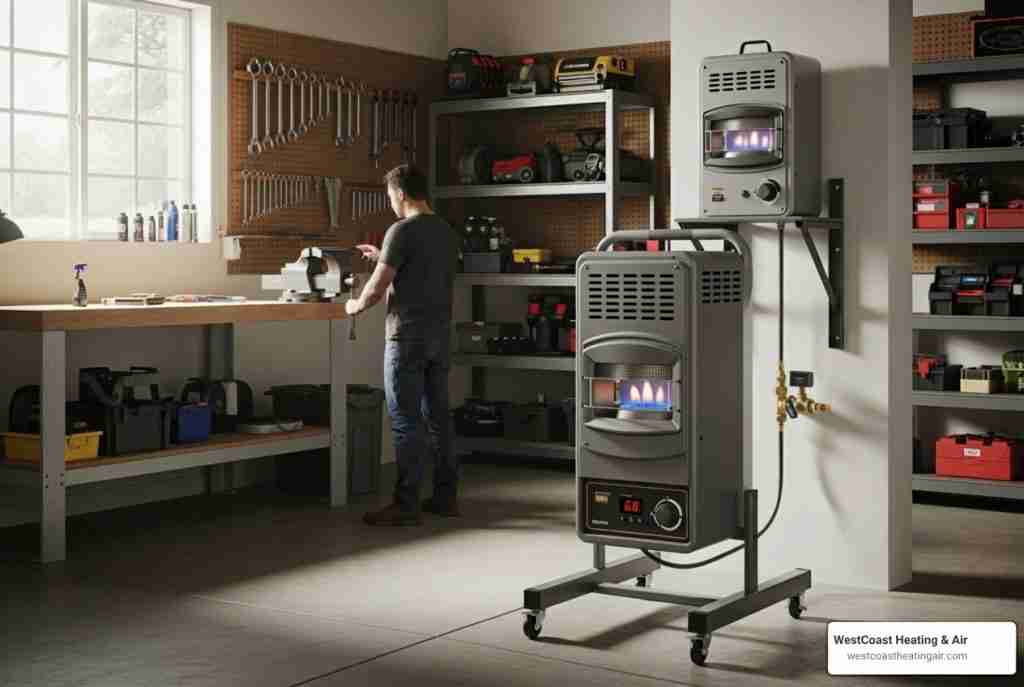
Why Gas Heater Safety Should Never Be an Afterthought
A 30000 btu gas heater can deliver powerful, cost-effective warmth to garages, workshops, cabins, and other spaces—but only if it’s chosen, installed, and maintained with safety as the top priority. When evaluating heater safety, homeowners and business owners in Puyallup, Washington need to understand three critical areas: the difference between vented and vent-free systems, the built-in safety features that protect your space, and the installation and maintenance practices that prevent dangerous malfunctions.
Key Safety Considerations for a 30000 BTU Gas Heater:
- Vented vs. Vent-Free: Vented heaters exhaust combustion byproducts outside, while vent-free models release them indoors and require adequate ventilation
- Essential Safety Features: Oxygen Depletion Sensor (ODS), automatic shut-off, tip-over protection, and thermocouple function
- Professional Installation: Proper clearances, fuel line connections, and adherence to local codes are non-negotiable
- Regular Maintenance: Annual inspections, carbon monoxide detector testing, and monitoring pilot light color ensure ongoing safety
- Space Requirements: A 30000 BTU unit heats up to 1,000 square feet and requires adequate air supply for safe operation
For homeowners in Puyallup seeking reliable heating solutions, understanding these safety fundamentals helps you make informed decisions. If you’re considering upgrading your home’s heating system, explore our comprehensive gas furnace services, or connect with our team to discuss your specific needs at WestCoast Heating & Air.
I’m Michael Smith, owner of WestCoast Heating & Air in Puyallup, and after 30 years at Boeing and years in the HVAC industry, I’ve seen how proper knowledge about equipment like a 30000 btu gas heater can mean the difference between comfortable, safe heating and a serious hazard. My team and I are committed to helping Pacific Northwest families understand their heating options so they can make choices that keep their homes both warm and safe.
Simple guide to 30000 btu gas heater:
Vented vs. Vent-Free: The Most Critical Safety Decision
When it comes to choosing a 30000 btu gas heater, one of the first and most important decisions you’ll make revolves around its venting mechanism. This choice profoundly impacts indoor air quality, moisture levels, and overall safety. Let’s break down the key differences between vented and vent-free systems to help you make an informed decision for your space in University Place, Tacoma, or any of our service areas.
| Feature | Vented Heaters | Vent-Free Heaters |
|---|---|---|
| Exhaust Method | Byproducts expelled outdoors via a flue/chimney | Byproducts released directly into the heated space |
| Indoor Air Quality | Preserved; no direct impact on indoor air | Requires strict ventilation; can affect air quality |
| Moisture Production | Minimal impact on indoor humidity | Can increase indoor moisture (water vapor is a byproduct) |
| Installation Complexity | More complex; requires external venting | Simpler; no external venting required (but needs air supply) |
| Recommended Use Cases | Any indoor space, including bedrooms/bathrooms | Supplemental heat for well-ventilated areas (garages, workshops); often restricted in certain living spaces |
Choosing the right type for your space isn’t just about efficiency or convenience; it’s fundamentally about safety. We always recommend consulting with an HVAC professional to assess your specific heating needs and local regulations before making a selection.
Understanding Vented Heaters
Vented heaters are designed to operate with a dedicated exhaust system, ensuring that all combustion byproducts—such as carbon monoxide, nitrogen oxides, and water vapor—are safely expelled outside your home. This includes types like direct-vent heaters, which draw combustion air from outside and exhaust directly outside, and atmospheric vented heaters, which draw indoor air for combustion and vent through a chimney.
How they work is straightforward: gas is burned in a combustion chamber, and the heat produced is transferred to the air in your space. Crucially, the exhaust gases are contained and directed outdoors through a flue pipe or chimney. This method is often preferred for preserving indoor air quality, as it prevents any combustion byproducts from entering your living environment. Sealed combustion systems, in particular, are highly effective, as they are completely isolated from your indoor air, drawing all combustion air from outside. For these reasons, vented heaters are generally considered ideal for any indoor space, including bedrooms and bathrooms, where maintaining pristine air quality is paramount.
The Reality of Vent-Free Heaters
Vent-free heaters, also known as unvented or ventless heaters, operate differently. Instead of expelling combustion byproducts outdoors, they release them directly into the space they are heating. This design allows them to boast an impressive 99.9% efficiency rating, as virtually all the heat generated stays within the room. However, this efficiency comes with important safety considerations.
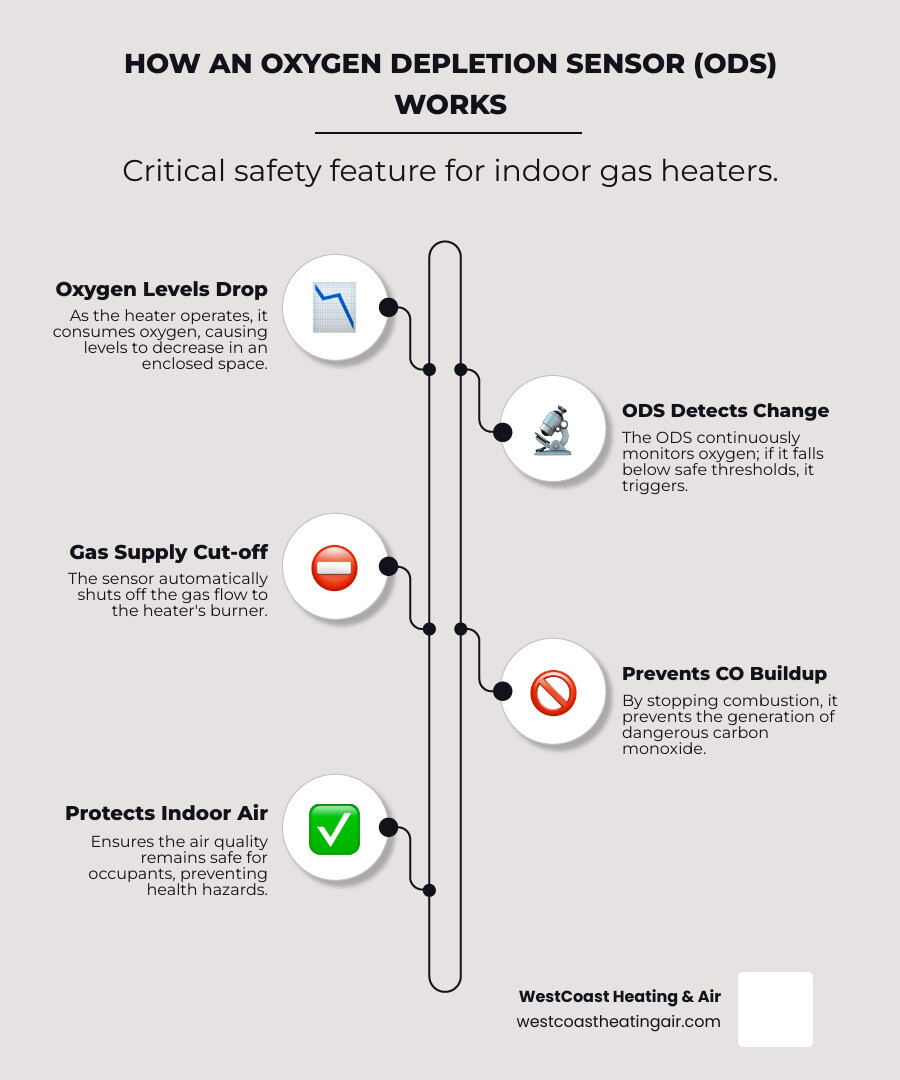
Because combustion occurs directly indoors, vent-free heaters release small amounts of carbon dioxide, nitrogen oxides, and water vapor into your air. To mitigate the risk of oxygen depletion and potential carbon monoxide buildup, modern vent-free heaters are equipped with an Oxygen Depletion Sensor (ODS). This crucial safety device automatically shuts off the heater if the oxygen level in the room drops below a safe threshold.
Despite the ODS, understand that vent-free heaters require critical fresh air ventilation to operate safely. This means that while they don’t need a chimney, they do need a constant supply of fresh outdoor air to dilute the combustion byproducts and replenish oxygen. For this reason, they are generally recommended for supplemental heating in well-ventilated areas like garages, workshops, or cabins. You’ll find specific use restrictions for these heaters, often prohibiting their use in bedrooms, bathrooms, or recreational vehicles due to the risk of increased indoor moisture and potential air quality concerns. Always check local codes in areas like Tacoma, Sumner, or Spanaway, as regulations can vary.
Essential Safety Mechanisms Built Into Modern Gas Heaters
Beyond the basic venting choice, modern gas heaters, including a 30000 btu gas heater, come equipped with several essential safety mechanisms designed to protect you and your property. These features are not just bells and whistles; they are critical components that monitor the heater’s operation and intervene if conditions become unsafe.
The Oxygen Depletion Sensor (ODS)
The Oxygen Depletion Sensor (ODS) is a cornerstone safety feature, especially prevalent in vent-free gas heaters. As we discussed, vent-free heaters release combustion byproducts directly into your space. The ODS continuously monitors the oxygen levels in the room. If the oxygen concentration drops below a predetermined safe limit, the ODS will automatically shut off the gas supply to the burner, effectively turning off the heater. This prevents the heater from consuming too much oxygen, which could lead to dangerous carbon monoxide buildup and other health risks. It’s a non-negotiable feature for any vent-free unit.
High Limit Safety Shut-off (HLS)
The High Limit Safety Shut-off (HLS) is another vital safeguard. This mechanism is designed to prevent the heater from overheating. If the internal temperature of the heater exceeds a safe operating limit, the HLS will automatically shut down the unit. This protects the heater components from damage and, more importantly, prevents potential fire hazards from excessive heat.
Thermocouple Function
The thermocouple is a small, but extremely important, safety device found in gas heaters with standing pilot lights. Its primary function is to prove the presence of a flame at the pilot. When the pilot light is lit, the heat it generates creates a small electrical current in the thermocouple. This current holds open a gas valve, allowing gas to flow to the main burner. If the pilot light extinguishes for any reason (e.g., a draft), the thermocouple cools down, the electrical current stops, and the gas valve automatically closes. This prevents unburned gas from accumulating in your space, which could lead to an explosion or gas leak. Customer reviews sometimes mention replacing thermocouples after a few winters, highlighting their role as a wear item that’s critical for safety.
Tip-Over Switches
For freestanding or portable 30000 btu gas heater models, a tip-over switch is an indispensable safety feature. This mechanical device automatically shuts off the gas supply if the heater is accidentally knocked over. This dramatically reduces the risk of fire or gas leaks that could occur if a hot, operating heater were to fall onto combustible materials.
The Role of Thermostats and Automatic Shut-Offs
Thermostat control offers significant benefits for both comfort and safety. A thermostat allows you to set your desired temperature, and the heater will cycle on and off to maintain that warmth. This prevents the heater from continuously running and potentially overheating the space. For instance, customer reviews often mention the convenience of a built-in thermostat, even if some find the range limiting.
Automatic shut-off features, often linked to the thermostat or other sensors, are crucial for safe operation. Beyond the ODS and HLS, some heaters have timers or other mechanisms that will turn the unit off after a set period or if certain conditions are met. These features ensure that your 30000 btu gas heater operates within safe parameters, providing consistent warmth without constant manual intervention.
Ignition Systems and Their Safety Implications
The way your gas heater ignites its flame also has safety implications.
Electronic Ignition: Many modern gas heaters, especially those with thermostats, feature electronic ignition. This system uses an electric spark to ignite the gas, eliminating the need for a constantly burning pilot light. This is generally considered safer as it reduces the risk of a pilot light extinguishing and allows for gas to be supplied only when needed. It’s also more energy-efficient since there’s no continuous gas consumption from a pilot.
Standing Pilot Light: Older models or simpler 30000 btu gas heater units often use a standing pilot light. This small, continuous flame is always burning, ready to ignite the main burner when heat is called for. While reliable, a standing pilot consumes a small amount of gas continuously, and if it goes out, the thermocouple must perform its critical safety function to shut off the gas. Some users in our service areas from Orting to Steilacoom might prefer to turn off the pilot light during warmer months to save gas, which requires re-lighting when heating is needed again.
Piezo Ignition: A piezo ignition system uses a button that, when pressed, generates a spark to light the pilot or main burner. It’s a manual process, often found in more basic or portable units. While simple, it requires user interaction and relies on the user to ensure the flame lights properly.
Each system has its pros and cons regarding convenience and reliability, but all modern, certified gas heaters incorporate safety measures regardless of their ignition type.
Safe Installation and Placement of Your 30000 BTU Gas Heater
The safety of your 30000 btu gas heater begins long before you turn it on—it starts with proper installation and placement. This is not a DIY project for the faint of heart, especially with gas lines involved. We cannot stress enough the importance of professional installation. Our experienced technicians at WestCoast Heating & Air understand the intricacies of gas appliance installation and adhere strictly to all local codes in our service areas, from Roy to SeaTac. This ensures your heater operates safely and efficiently.
Proper sizing is also key. A 30000 BTU unit is designed to heat spaces up to approximately 1,000 square feet. Installing a heater that’s too large for a small, unventilated room can lead to overheating and potential safety issues. Conversely, an undersized heater will struggle to warm the space, leading to inefficient operation.
Proper Clearances and Ventilation for a 30000 BTU Gas Heater
Every gas heater, whether wall-mounted or freestanding, comes with specific manufacturer’s clearance requirements. These are crucial distances that must be maintained between the heater and any combustible materials (walls, furniture, curtains, etc.). Ignoring these clearances is a serious fire hazard. Our technicians are meticulous about ensuring these distances are met, safeguarding your property.
For wall-mount units, the installation hardware is typically included, allowing for secure attachment. Freestanding units often come with base legs for stability. Regardless of the mounting option, ensuring adequate air supply for combustion and ventilation is paramount, particularly for vent-free models. Vent-free heaters need fresh air to operate safely and replenish oxygen. Without proper ventilation, the risk of oxygen depletion and carbon monoxide buildup increases significantly. This isn’t just about an open window; it might involve specific room volume requirements or dedicated air vents.
Choosing the Right Fuel: Natural Gas vs. Propane Safety
The fuel type for your 30000 btu gas heater—natural gas or propane—also dictates specific safety protocols.
Natural Gas Connections: If you’re using natural gas, the heater connects directly to your home’s existing gas line. This requires professional gas line installation to ensure leak-free connections and compliance with all local regulations. Gas lines must be properly sized and installed by a qualified technician. Customer reviews emphasize using quality BLACK gas line pipe, never galvanized pipe, for safety and legality.
Propane Tank Storage Safety: For propane units, safety revolves heavily around the propane tank itself. Propane cylinders, especially larger ones (like 20 lb, 40 lb, or 100 lb tanks), must always remain outdoors. Storing propane tanks indoors is extremely dangerous due to the risk of leaks and potential explosions. The heater will connect to the outdoor tank via a gas hose.
Regulator Requirements: Both natural gas and propane systems require a regulator to control the gas pressure delivered to the heater. For propane tanks, it’s particularly important to use a low-pressure regulator before the LP gets to the heater, as mentioned in product Q&As. Incorrect pressure can lead to inefficient combustion or dangerous operation.
For more detailed information on safe gas system operations and installations, explore our gas furnace services.
Ongoing Maintenance for Lasting Safety and Performance
Installing a 30000 btu gas heater safely is just the first step; ensuring its lasting safety and performance requires ongoing maintenance. Think of it like taking care of your car – regular check-ups prevent breakdowns and keep you safe on the road. The same principle applies to your gas heater.
The importance of annual professional inspections cannot be overstated. While there are some user maintenance tasks you can perform, a certified HVAC technician will conduct a thorough examination of your unit, checking for gas leaks, proper combustion, vent blockages, and wear and tear on critical safety components like the thermocouple. This proactive approach helps identify potential issues before they become dangerous problems, giving you peace of mind throughout the heating season in Tumwater, Puyallup, or any of our local communities.
Your Annual Safety Checklist for a 30000 BTU Gas Heater
Between professional inspections, there are several simple DIY maintenance tasks you can perform to contribute to your heater’s safe operation:
- Visually Inspect the Unit: Look for any signs of damage, corrosion, or blockages around the heater. Ensure nothing is obstructing the air intake or exhaust (for vented units).
- Clean the Exterior and Vents: Dust and debris can accumulate on the heater’s surface and in its vents. Gently wipe down the exterior and use a soft brush or vacuum to clear any dust from the grilles and vents. This improves airflow and reduces fire risk.
- Check for Dust or Blockages: Pay particular attention to the burner assembly and pilot light area. Any buildup here can impede proper combustion.
- Test Carbon Monoxide Detectors: This is paramount. Gas heaters produce carbon monoxide as a byproduct of combustion. While safety features like the ODS are designed to prevent dangerous levels, CO detectors are your final line of defense. Test them monthly and replace batteries annually. If you have a vent-free heater, we recommend installing extra Carbon Monoxide alarms for improved safety, as customer reviews suggest.
- Monitor Pilot Light Color: For units with a standing pilot, the flame should be crisp blue. A yellow or orange pilot light indicates incomplete combustion, which can produce carbon monoxide and requires professional attention.
When to Call for Professional Heater Service
Knowing when to call for professional help is crucial. Don’t hesitate to contact us if you notice any of these signs of malfunction with your 30000 btu gas heater:
- Yellow or Sooty Flame: As mentioned, a healthy gas flame should be blue. A yellow, orange, or flickering flame, especially with soot buildup, indicates incomplete combustion and is a serious safety concern.
- Unusual Smells: While a faint “new heater” smell might occur initially, persistent or strong odors, particularly a smell like rotten eggs (which is added to natural gas and propane for detection), suggests a gas leak. Evacuate immediately and call your gas provider and then us.
- Difficulty Lighting the Pilot: If your pilot light is hard to light, won’t stay lit, or requires multiple attempts, it could indicate a problem with the thermocouple, gas supply, or igniter. Customer reviews sometimes mention issues with the pilot light after a few years.
- Unit Cycles Improperly: If your heater is constantly turning on and off, or not turning on at all when it should, there’s likely an issue with the thermostat, igniter, or other internal components.
- Excessive Moisture or Condensation: For vent-free heaters, while some moisture is normal, excessive condensation on windows or walls might indicate inadequate ventilation or an issue with the heater’s operation.
For expert diagnosis and repair of any heating issues, including those with your 30000 btu gas heater, our team at WestCoast Heating & Air is ready to assist. Learn more about our comprehensive heating services.
Conclusion
Choosing, installing, and maintaining a 30000 btu gas heater for your home or garage in the Pacific Northwest means prioritizing safety above all else. We’ve explored the critical differences between vented and vent-free systems, the essential safety mechanisms built into modern heaters, the non-negotiable requirements for safe installation and placement, and the ongoing maintenance practices that ensure lasting safety and performance.
Making the right choice between a vented or vent-free unit is fundamental, as it dictates how combustion byproducts are handled. Understanding features like the Oxygen Depletion Sensor (ODS), High Limit Safety Shut-off (HLS), and the thermocouple empowers you to recognize the safeguards in place. Most importantly, always rely on professional installation to ensure proper clearances, gas line connections, and adherence to local codes. And finally, commit to regular maintenance, including testing CO detectors and knowing when to call for expert service, to keep your unit operating safely year after year.
At WestCoast Heating & Air, we believe that an educated customer is a safe customer. Our commitment to customized system design, customer education, and top-quality products and service, backed by over 20 years of local experience in Puyallup, University Place, Tacoma, and beyond, means we’re here to help you make informed decisions. For expert advice on selecting and installing the right heating system for your home, learn more about our gas furnace solutions.